


Is Raleigh Still Worth Moving To in 2026?
A Complete Look at the Raleigh-Durham Region
Over the past five years, the Raleigh-Durham region has experienced significant transformation. What was once considered a quieter, more affordable metro in the Southeast has evolved into one of the fastest-growing areas in the United States. With rapid population growth, expanding job opportunities, and a booming food and entertainment scene, many people are now asking a very real question: is it still worth it to live in Raleigh, North Carolina in 2026?
The answer is not as simple as yes or no. It depends on what you value most in a place to live. To help you make an informed decision, it is important to take a balanced look at both the advantages and the challenges that come with life in the Raleigh-Durham region today.
The Rapid Growth of the Raleigh-Durham Region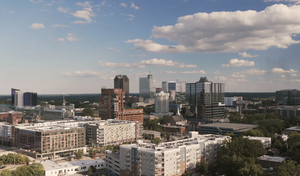
One of the most defining characteristics of the Raleigh area right now is population growth. Over the past few years, the Raleigh-Durham metro has seen an estimated 16 percent increase in population. Back in 2020, the region was home to roughly 1.9 million residents. Today, that number has grown to approximately 2.2 million.
This level of growth places Raleigh-Durham among the fastest-growing regions in the entire country. With that growth has come increased attention from businesses, media outlets, and national publications. It has also brought new residents from across the United States who are drawn to the area for its job opportunities, lifestyle, and relatively moderate cost of living compared to larger coastal metros.
As the population has expanded, so too has the demand for housing, restaurants, retail, and entertainment. New developments continue to emerge throughout the Triangle, reshaping the region in real time.
A Growing Food Scene and National Recognition
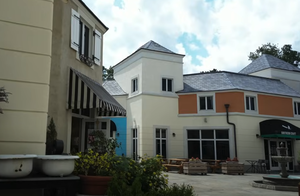
One of the most noticeable changes in the Raleigh-Durham area has been the explosion of its food scene. Restaurants, cafes, and culinary concepts have expanded rapidly, gaining attention far beyond North Carolina.
The region has recently attracted the attention of the Michelin Guide, which has begun recognizing restaurants in the area and highlighting its growing culinary reputation. National publications such as Travel + Leisure, Garden & Gun, and Southern Living have also featured Raleigh and Durham as rising food destinations and desirable places to live.
Several local restaurants have contributed to this growing reputation. In Raleigh, establishments such as Peregrine, Tamasha, and Bida Manda have become well-known for their unique offerings and high-quality dining experiences. In Durham, restaurants like Seraphine, Little Bull, and Nikos reflect the city’s diverse and evolving food culture.
While these are just a few examples, they represent a broader trend of culinary growth across the region. The restaurant scene is becoming more competitive, more diverse, and increasingly recognized on a national level.
Expanding Entertainment and Retail Spaces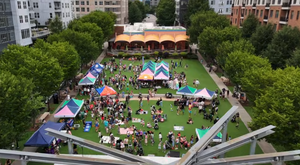
Beyond food, the Raleigh area is also experiencing significant expansion in entertainment and retail development. One of the most notable projects involves the area surrounding the Lenovo Center, home to the Carolina Hurricanes and NC State basketball. This district is undergoing a large-scale transformation, with plans for new restaurants, retail spaces, residential developments, hotels, and office buildings. The goal is to turn the area into a true live-work-play destination.
In addition, popular shopping and entertainment districts such as Fenton in Cary and North Hills in North Raleigh continue to grow in popularity. These areas have become central hubs for dining, shopping, and social activity, attracting both locals and newcomers.
There is also ongoing discussion about the potential arrival of a Major League Baseball team in the region in the coming years. While nothing is confirmed, the possibility alone reflects the continued national attention the Triangle is receiving. If such a development were to happen, it would likely have a significant economic and cultural impact on the region, including job creation and increased tourism.
Strong Job Market and Economic Diversity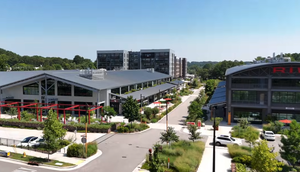
Another major factor driving growth in the Raleigh-Durham region is its job market. At the center of this economic expansion is Research Triangle Park, one of the largest research and technology hubs in the United States.
Research Triangle Park continues to attract major companies in technology, healthcare, biotechnology, and research. As companies move in, they bring jobs, which attracts new residents, which in turn fuels more business growth. This cycle has helped create a stable and expanding economic ecosystem in the region.
In addition to technology, the Raleigh area benefits from a diverse economy that includes education, healthcare, government, and finance. This diversity helps provide stability and reduces reliance on a single industry, which is one of the reasons the region has continued to grow even during broader economic fluctuations.
Housing Market Trends and Cost of Living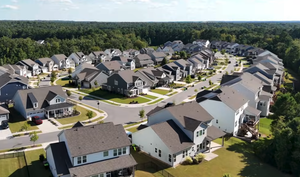
The housing market in Raleigh-Durham has also changed significantly over the past several years. The region was previously known for its affordability compared to major metropolitan areas, but rising demand has led to increased home prices.
The median home price in the Raleigh area has stabilized around the $500,000 range. This is a significant increase compared to around $320,000 in 2020. While prices are still generally lower than cities like New York, Boston, or San Francisco, the increase has made affordability more challenging for some buyers.
At the same time, the cost of living in the Raleigh area remains lower than many major U.S. cities. Estimates place it slightly below the national average, making it a competitive option for those relocating from higher-cost regions. However, it is important to note that there are still more affordable areas in the country, depending on lifestyle and job flexibility.
As housing prices have increased, some residents have chosen to move further outside of Raleigh, Cary, and Durham into surrounding counties such as Johnston, Harnett, Chatham, and Franklin. While these areas may offer more affordable housing, they often come with longer commutes into the city, which can impact daily quality of life.
Lifestyle, Outdoors, and Climate Advantages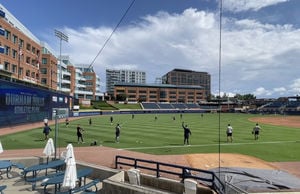
Despite the growth and change, Raleigh continues to offer strong lifestyle advantages. The region is known for its access to outdoor recreation, including Jordan Lake, Falls Lake, and an extensive greenway system that connects much of the Triangle. Parks and natural spaces remain a major attraction for both residents and newcomers.
The area is also consistently described as green and scenic, with an abundance of trees and well-maintained landscapes throughout many neighborhoods.
Climate is another factor that draws people to the region. Raleigh experiences relatively mild winters compared to the Northeast and Midwest, while avoiding the extreme heat seen in parts of the Southwest and Deep South. Although summers can be humid, the overall climate is considered moderate and livable year-round for many residents.
Education and University Influence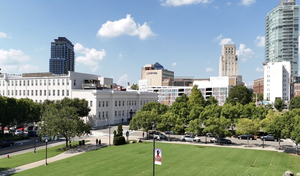
The presence of major universities also plays a significant role in shaping the Raleigh-Durham region. Institutions such as Duke University, the University of North Carolina at Chapel Hill, North Carolina State University, North Carolina Central University, and Shaw University contribute to the area’s strong academic, cultural, and athletic identity.
These universities attract students, faculty, researchers, and professionals from around the world. They also contribute to the region’s sports culture, innovation, and overall economic development. Their presence helps maintain a steady flow of talent and investment into the area.
Challenges of Growth and Increasing Pressure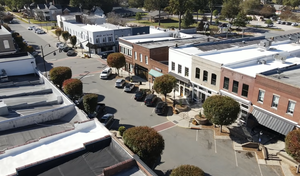
While growth has brought many benefits, it has also introduced challenges. One of the most noticeable is increased traffic and longer commute times. As more people move to the region, road infrastructure has struggled to keep up, leading to frequent construction projects and congestion during peak hours.
This has had a direct impact on daily life for many residents, particularly those commuting from surrounding counties into Raleigh or Durham for work. In some cases, commute times have significantly increased, affecting overall quality of life.
Housing demand has also placed pressure on affordability, as previously discussed. In addition, high demand has led to crowded public spaces, busy parks, and longer wait times at popular restaurants. Some schools have experienced shifting attendance boundaries due to population growth, requiring families to adjust to new school assignments.
Office vacancy rates in certain parts of downtown Raleigh and Durham have also increased, reflecting broader changes in how companies are using commercial space. Some major development projects have been delayed, contributing to uncertainty in certain parts of the commercial real estate market.
So, Is Raleigh Still Worth It in 2026?
The answer depends entirely on what you are looking for in a place to live.
If your expectation is the Raleigh of several years ago, with slower growth, lower prices, and a quieter pace of life, that version of the city has largely changed. Growth has reshaped nearly every part of the region.
However, if you are looking for a thriving metropolitan area with a strong and diverse economy, continued job growth, expanding entertainment and dining options, access to outdoor recreation, and a cost of living that remains competitive compared to many major U.S. cities, Raleigh still offers a compelling case.
It is a region that continues to evolve quickly, bringing both opportunity and challenges. For many, that balance is exactly what makes it an attractive place to live.
If you are considering a move to the Raleigh-Durham area, working with a local real estate professional can help you better understand neighborhoods, commute patterns, and market conditions so you can make a confident and informed decision.
Contact Us Today
Morton Bradbury Real Estate Group is the top real estate agency in Raleigh, NC, offering a 5-star experience tailored to every client, from first-time home buyers and investors to sellers, custom builders, and new construction buyers. We’re setting a new standard for buying and selling homes across the Triangle area. With strong local expertise and a team of passionate agents, MBREG is dedicated to helping you achieve your real estate goals with clarity, confidence, and results. Reach out today to take the first step in your real estate journey.
We'd Be Honored To Help You
Call: 919.964.0474
Email: [email protected]