


Is Downtown Raleigh Declining?
The Truth Behind the Buzz
There’s been a growing conversation online about downtown Raleigh, and if you spend any time on social media or local forums, you’ve probably seen the same theme repeated over and over again. Some people say they don’t go downtown anymore. Others say it just doesn’t feel like it used to. And some even compare it to other parts of the Triangle, suggesting that newer areas feel more active or convenient.
With all of that noise, it’s fair to ask the question: is downtown Raleigh actually declining, or is something else happening beneath the surface?
The reality is more nuanced than a simple yes or no. What’s happening in downtown Raleigh is not a collapse, but a shift in how people interact with urban living, entertainment, and work.
A Changing Urban Landscape, Not a Disappearing One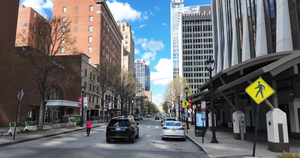
For a long time, downtown Raleigh was the clear center of activity in the city. It was where people went for nightlife, dining, events, and culture. Many long-time residents remember when it felt like the only real destination for a night out.
Over time, however, Raleigh has expanded in every direction. As the city has grown, so have alternative lifestyle and entertainment districts that now compete with downtown for attention.
Areas like North Hills and Fenton have introduced a different kind of experience. These developments are newer, easier to navigate, and designed to bring dining, shopping, and entertainment into one compact, walkable environment. For many people, especially those living in surrounding suburbs, these areas feel more convenient for everyday use.
This doesn’t mean downtown Raleigh is losing relevance. It means the Triangle has become more decentralized.
Perception Is Being Shaped by Business Cycles 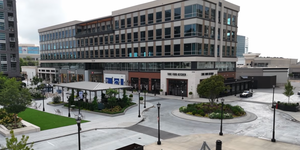
Another reason people feel like downtown is slowing down comes from what they see happening with restaurants and retail. When well-known businesses close in visible areas such as Glenwood South, Fayetteville Street, or Moore Square, it naturally creates concern. People associate those closures with decline.
But in reality, restaurant turnover is a normal part of any growing city. New concepts continue to open, and different parts of downtown experience growth at different times. What feels like decline in one corridor is often balanced by investment and activity in another.
Urban cores are constantly evolving, and Raleigh is no exception.
Work From Home Changed Everything 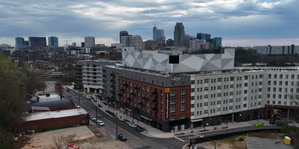
One of the biggest shifts impacting downtown Raleigh has nothing to do with downtown itself. It’s the way people work.
With the rise of remote and hybrid work, fewer people are commuting into downtown offices on a daily basis. That change alone has reshaped foot traffic, daytime energy, and even residential patterns across the city.
Instead of needing to live close to work, many people now choose neighborhoods based on space, lifestyle, and convenience rather than proximity to an office. That has contributed to strong growth in surrounding communities such as Clayton, Garner, Fuquay-Varina, and Wake Forest.
As a result, downtown feels different during the day than it once did. But that shift is part of a national trend, not something unique to Raleigh.
Convenience Has Become a Major Factor 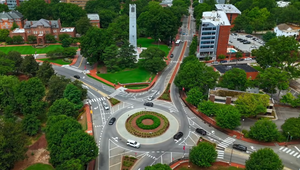
Another piece of the puzzle is convenience. As new districts have developed, they have raised expectations around parking, accessibility, and ease of experience.
In comparison, downtown Raleigh can feel more complicated to navigate. Parking availability, cost, and timing can all influence whether someone chooses downtown or opts for a closer alternative. Even when the experience itself is excellent, small friction points can shape long-term habits.
This is one of the reasons newer areas like North Hills or Fenton continue to attract consistent traffic. They are simply easier for many people to access quickly.
The Housing Market Tells a Different Story 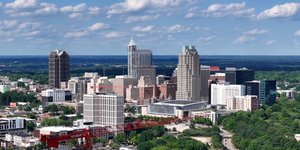
If you only looked at perception, you might assume downtown housing demand is weakening. But the data paints a more balanced picture.
Homes in downtown Raleigh tend to follow a different pattern than suburban homes. They often have smaller square footage, higher price per square foot, and a more lifestyle-driven buyer pool. Because of that, days on market can be longer in some segments, and pricing behavior can look different compared to surrounding areas.
However, this does not indicate a lack of demand. It reflects a more specialized segment of the market that serves a different type of buyer.
Growth Is Still Happening in Key Areas 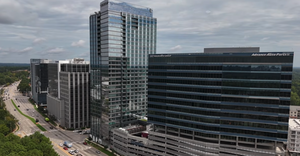
Even with shifting patterns, downtown Raleigh is far from stagnant. Certain districts continue to evolve and attract investment, including Peace Street, the Village District, and Dix Park.
These areas represent ongoing redevelopment, new residential projects, and continued interest from both developers and residents. They are part of the long-term evolution of the urban core rather than signs of decline.
Major Projects Signal Long-Term Confidence 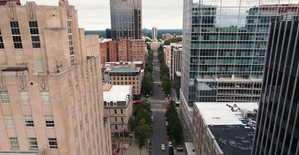
Perhaps the strongest indicator of downtown Raleigh’s future is the level of continued investment.
Large-scale developments such as Downtown South, planned near South Saunders Street, are expected to bring a mix of residential, retail, and entertainment space, along with long-term infrastructure growth.
At the same time, the addition of a major high-rise project on Glenwood South, alongside expansion around the Raleigh Convention Center and the new Omni Hotel, shows continued confidence in downtown’s role as a destination for both residents and visitors.
These types of projects are not short-term bets. They are long-term commitments to the future of the city.
So What’s Really Happening?
When you step back and look at the bigger picture, downtown Raleigh is not declining. It is adjusting to a new version of itself.
The Triangle is no longer a single-centered city. Instead, it has become a collection of strong, growing hubs spread across the region. Downtown remains an important part of that ecosystem, but it is no longer the only focal point.
Downtown Raleigh is not fading away. It is evolving alongside a rapidly growing metro area. Some habits have changed, some energy has shifted, and new districts have emerged. But long-term investment, population growth, and ongoing development all point toward continued strength.
The story of downtown Raleigh is not one of decline. It is one of transition, expansion, and reinvention.
Planning your next move? Let’s map it out together.
Morton Bradbury Real Estate Group is proud to be the top real estate agency in Raleigh, North Carolina, known for delivering a consistent 5-star experience tailored to every client. Whether you're relocating, buying your first home, building new construction, or preparing to sell, our team brings deep local expertise and a strategic, hands-on approach to every step of the process.
We’re raising the standard for real estate across the Triangle by helping our clients move with clarity, confidence, and the right guidance from start to finish. When you're ready to take the next step, feel free to call or email us.
We'd Be Honored To Help You
Call: 919.964.0474
Email: [email protected]